
Strong healthcare growth often starts with clear communication. Patients today search online before choosing any clinic or hospital. Trust is built through simple and honest messages. This is where healthcare marketing campaigns help providers connect with people in a more meaningful way. They guide awareness and support better patient relationships across different care services.
Many hospitals now focus on digital presence to stay visible and helpful. Healthcare marketing campaigns also improve how patients understand services and make decisions. A small clinic once shared simple treatment guides online and saw more appointment requests. Modern medical marketing campaigns use clear messaging and patient-focused content. These healthcare advertising strategies support better engagement and steady growth for healthcare providers.
Patient Growth Systems in Modern Healthcare Marketing

Modern care growth now depends on patient-first communication. People want clear answers before choosing any clinic. Healthcare marketing campaigns help hospitals explain services in a simple way. This builds trust and supports better patient decisions through honest and easy information sharing across care channels.
Digital healthcare marketing also helps providers reach patients at the right time. Many hospital marketing campaigns now focus on education instead of promotion. A small clinic improved visits after sharing simple care tips online as part of a lead generation strategy. Patients often ask if they can trust online medical information, and clear answers help reduce confusion.
Structured Planning Behind Medical Campaign Execution
Good planning shapes how medical messages reach patients. Medical marketing campaigns need clear steps so hospitals avoid confusion. Each stage focuses on audience needs, service clarity, and safe communication before any promotion starts.
Campaign Goal Definition And Planning
The first step is setting a clear goal for the campaign. Digital healthcare marketing teams decide if the focus is awareness, bookings, or education. This helps guide all future actions in a simple direction.
Audience Segmentation Process In Healthcare
Patients are grouped based on age, symptoms, and care needs. Healthcare advertising strategies use this to send the right message to the right group. A hospital once improved response by separating diabetes and cardiac patient messaging.
Service Positioning Strategy For Better Reach
Hospitals highlight what makes their services unique. Medical marketing campaigns use simple explanations to show value and care quality. This helps patients understand why they should choose one provider over another.
Workflow Planning And Execution Steps
A structured workflow ensures smooth execution from start to finish. Digital healthcare marketing teams follow approval creation and review stages. Strong back office efficiency reduces errors and keeps communication clear and compliant.
Real Healthcare Planning Example In Practice
A small clinic improved patient visits by planning weekly educational posts. Healthcare advertising strategies helped them target local patients better. Over time, engagement increased because the message matched patient needs and timing.
Digital Platforms Powering Healthcare Engagement Growth
Digital tools now guide how hospitals connect with patients. Digital healthcare marketing helps clinics share useful health info across search and social channels. It also supports awareness and trust before a patient visits a doctor. Many healthcare marketing campaigns now focus on simple online messages that answer real patient concerns.
Hospitals also use website ads and social pages to guide patients through each step. Hospital marketing campaigns often start with awareness, then move to appointment booking. A small clinic increased visits after posting daily health tips and running search ads for local patients. This created a smooth journey from search to consultation and improved live chat conversions through faster patient support.
Role of social media in patient acquisition
Social media helps hospitals reach people where they spend time daily. Posts about symptoms, tips, and care advice build trust over time. Digital healthcare marketing on social platforms allows patients to ask questions and learn before booking a visit, which improves engagement.
Paid ads vs organic healthcare growth
Paid ads give quick visibility while organic content builds long-term trust. Healthcare marketing campaigns often combine both methods. A clinic used ads for fast reach and blogs for steady growth, which helped balance patient flow and improve appointment rates over time.
Branding Psychology in Hospital Marketing Campaigns
Branding in healthcare depends on trust and calm communication. Patients choose care based on confidence, not ads alone. Hospital marketing campaigns use simple messages and a clear identity to build comfort. When people feel safe, they are more likely to book and continue treatment without doubt.
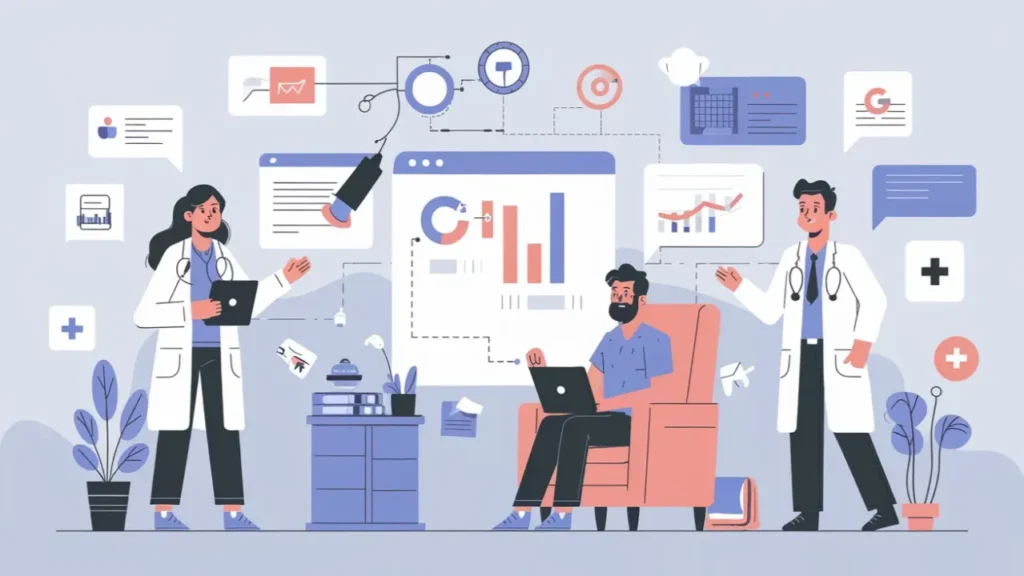
Healthcare advertising strategies also focus on doctor authority and patient feedback. Medical marketing campaigns that show real stories help reduce fear and build trust. A hospital once improved patient visits after sharing doctor profiles and simple treatment explanations. This helped people understand care better before visiting.
Strong vs Weak Healthcare Branding Impact
Strong branding feels clear, honest, and supportive. Weak branding often confuses patients with unclear messages. In hospital marketing campaigns, strong brands show real doctors’ patient reviews and simple service details. Weak ones hide information, which reduces trust and lowers patient interest over time.
Doctor Authority And Patient Review Influence
Doctoral authority plays a key role in patient decisions. Healthcare advertising strategies highlight experience and success stories to build confidence. Patient reviews also add social proof. Medical marketing campaigns using both often see higher engagement because patients trust real experiences more than promotional claims.
Pharma Communication Strategies in Modern Campaigns
Pharma communication focuses on clear and responsible health messages. It avoids exaggeration and supports public awareness through simple education. Healthcare marketing campaigns in this space must stay ethical while still helping people understand treatment and prevention options.
Storytelling Approach In Pharma Campaigns
Pharma marketing campaigns often use real patient stories and simple health education. This builds trust without overclaiming results. A vaccine awareness post once explained safety steps in simple language and improved public understanding through digital healthcare marketing channels.
Compliance And Ethical Messaging Limits
All pharma content must follow strict rules. Claims cannot be misleading or unsupported. Healthcare marketing campaigns focus on facts and approved information only. This ensures patients receive safe guidance while still learning about medicines and preventive care options clearly and responsibly.
Tracking Performance in Healthcare Campaigns
Tracking results helps hospitals understand what works and what needs to change. Healthcare marketing campaigns rely on simple data like patient visits and online actions. This makes it easier to improve decisions and support steady growth in care services through clear measurement.
Digital healthcare marketing uses tools that track clicks, bookings, and engagement. Healthcare advertising strategies depend on these insights to adjust campaigns. A clinic once improved appointment rates after checking which posts brought more inquiries and focusing on those topics.
Key Performance Metrics In Healthcare Campaigns
Important metrics include ROI, CAC, and engagement rates. ROI shows return value, CAC shows patient cost, and engagement shows interest level. Healthcare marketing campaign use these numbers to understand success and improve future planning with clear direction.
Analytics Tools And Dashboard Structure
Hospitals use dashboards to view all campaign data in one place. Digital healthcare marketing tools show traffic leads and conversions. A simple dashboard helps teams quickly see what is working and adjust healthcare advertising strategies for better results.
Social Media Impact on Healthcare Awareness Growth
Social platforms now shape how people learn about health. Short videos and simple posts help patients understand symptoms and care options. Social media marketing campaigns allow hospitals to share easy information that builds awareness and trust in daily life.
Instagram and TikTok are widely used for health education. Healthcare marketing campaign often use reels and short clips to explain common issues. A hospital once posted simple fever care tips and saw strong shares from local users, which increased awareness quickly.
Instagram And TikTok In Patient Education
Instagram helps share images and short advice posts. TikTok uses quick videos to explain symptoms and care steps. Hospital marketing campaigns use both to reach younger audiences who prefer fast and simple health information on mobile platforms.
Engagement Growth And Content Ideas
Engagement grows with simple tips, FAQs, and doctor Q&A videos. Social media marketing campaigns also use patient stories and myth-busting posts. These ideas help healthcare teams build awareness and keep users connected with useful health updates.
Educational Content Role in Patient Trust Building
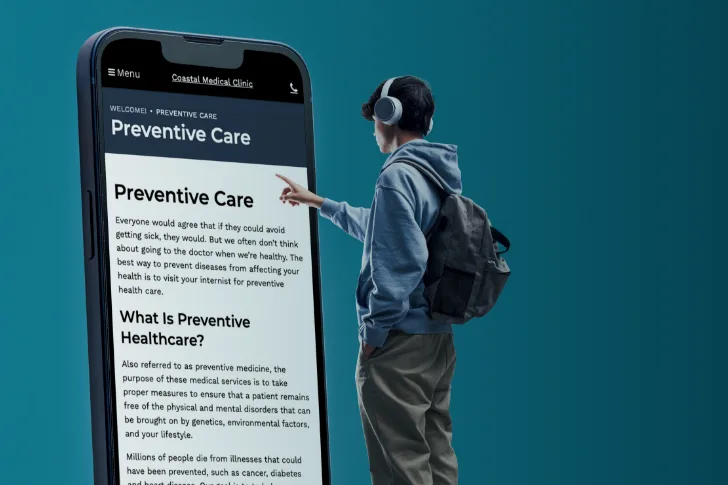
Patients trust hospitals more when they understand care clearly. Simple education builds confidence before any visit. Medical marketing campaigns often use learning content to explain treatments in easy words. This reduces fear and helps patients feel more prepared for medical decisions in real situations.
Digital healthcare marketing uses blogs, videos, and FAQs to answer common patient questions. Marketing campaigns that focus on education create long-term trust. A clinic once added simple recovery guides online and saw more repeat visits because patients felt better informed after treatment.
Blogs, Videos, and FAQ-Based Learning
Blogs explain health topics in detail while videos show a quick understanding. FAQs answer common doubts in a simple form. Digital healthcare marketing uses these formats to support patients who search for clear answers before booking appointments or choosing care services.
Content Strategy For Authority Building
A strong content plan includes regular posts, expert advice, and patient-focused topics. Medical marketing campaigns that share useful education build authority over time. This helps hospitals become trusted sources of information instead of just service providers in the healthcare space.
Step-by-Step Campaign Execution Flow
Healthcare campaigns need a clear process to stay accurate and safe. Each step ensures the message is correct and suitable for patients. Healthcare marketing campaigns follow structured checks so hospitals can share information with trust and proper control before reaching the public.
Step 1: Submission Of Request
The team defines the goal and target audience first. Digital healthcare marketing begins with clear planning of who needs the message and why it matters for patient care.
Step 2: Insurance Verification
Data and targeting details are checked for accuracy. Healthcare advertising strategies use verified information to avoid wrong audience reach and improve campaign quality.
Step 3: Clinical Review
Medical experts review content for accuracy and safety. Healthcare marketing campaigns must ensure all health information is correct and approved before moving forward.
Step 4: Approval Or Denial Decision
Compliance teams decide if the campaign can proceed. Digital healthcare marketing follows strict rules to protect patient trust and maintain ethical communication standards.
Step 5: Final Notification And Launch
Once approved, the campaign is launched with tracking tools. Healthcare advertising strategies monitor performance to ensure the message reaches the right audience effectively.
Future AI Trends in Healthcare Marketing Systems
AI is changing how hospitals connect with patients. It helps show the right message to the right person at the right time. Digital healthcare marketing now uses smart tools that learn patient needs and improve communication across websites, apps, and messages. This makes care information faster and more personal.
Healthcare advertising strategies are also becoming more automated and data-driven. Healthcare marketing campaigns now use AI chat tools that answer patient questions in real time. Growing virtual assistant demand is helping hospitals provide faster responses and better patient support. A clinic once used a chatbot to guide appointment booking and reduce waiting for calls.
Final Thoughts on Healthcare Marketing Growth
Healthcare is changing fast as digital tools become part of daily patient care. Hospitals now rely on clear communication and online presence to stay connected with people. Healthcare marketing campaigns help build awareness while making information easier for patients to understand and trust in real situations.
Digital healthcare marketing also supports long-term growth through structured planning and patient-focused messages. Healthcare advertising strategies improve how hospitals share services and guide decisions. When campaigns are planned well, they build trust and stronger engagement. Organizations looking to strengthen outreach may also benefit from insights provided by BPO Brigade, helping improve communication and patient engagement efforts. Start applying simple digital steps today to improve patient connection and steady healthcare growth.
Frequently Asked Questions
They work when messages are simple, clear, and focused on patient needs. Trust and useful health information improve results over time.
Hospitals share helpful content like tips, videos, and FAQs. This keeps patients informed and builds stronger communication before visits.
They include awareness posts, vaccine education, and patient safety messages that explain health topics in a simple and ethical way.
It helps hospitals reach patients online where they search for care. This improves awareness and supports faster decision-making.
Clinics use search content, social media, and ads. Clear information and a strong online presence help patients choose services easily.