
Email fills inboxes each day. Many brands send more mail now. Yet some emails pull clicks while others fail. So what makes the gap? Now let’s see one smart move. You study rival mail. When you check competitors’ email marketing campaigns, you begin to see clear patterns. This step helps shape a strong email strategy.
You might notice tone style, send time, and offer type. These small clues show what works in your field. This is where competitor email analysis helps. It turns simple email checks into useful email marketing intelligence. Over time, this type of competitive analysis reveals trends. Then you can adjust your own mail plan with care.
Why Monitoring Competitor Email Campaigns Matters
Many teams send emails with guesswork. That wastes time and budget. A better step is simple. Watch what rivals send and how they send it. When you check competitors’ email marketing campaigns, you start to see real market moves. Now let’s see what appears first. Subject lines, tone, and send time often follow clear trends across the field.
Some emails use short copy and bold call-to-text. Others push story and brand voice. This is where competitor email analysis gives value. It shows patterns that guide your email marketing strategy. With time, these lessons support strong performance benchmarking and better campaign results.
Tools for Competitor Email Analysis
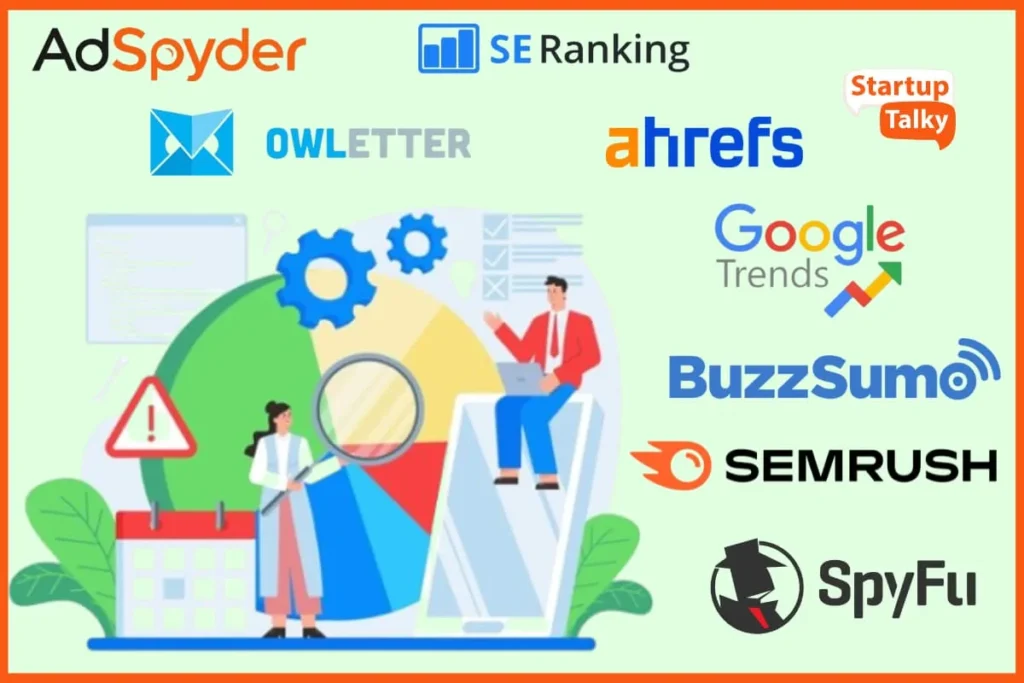
Digital tools make rival email study much easier today. Many systems collect brand mail in one place. They track send rate, subject line style, and page layout. Teams can check competitors’ email marketing campaigns without manual work. This type of email marketing intelligence helps teams review real market activity and understand how rival brands plan their mail.
These systems also store past emails for later review. Marketers can scan offers, design flow, and message tone. This helps compare each brand side by side. With steady use, teams gain clear data from campaign monitoring. Many firms rely on strong competitor tracking tools to guide better email plans.
Identifying Campaign Structure and Frequency
A clear structure helps an email guide the reader from start to end. Brands often follow a simple flow. A strong subject line comes first. Then a short intro message. Next comes value text and a clear action link. When teams check competitors’ email marketing campaigns, they learn how rivals build this email campaign structure.
Send timing also shapes campaign results. Some brands send mail twice each week. Others send fewer but larger updates. This pattern forms a clear send frequency plan. Studying competitor email scheduling helps teams pick better send days and hours. Strong timing often leads to higher open and click rates.
Analyzing Subject Lines and Open Rates
Subject lines decide if a reader opens an email or ignores it. Short, clear lines often gain more views. Brands test tone, word count, and value cues in each send. When teams check competitors’ email marketing campaigns, they review how rivals shape these first lines. This form of subject line analysis helps reveal patterns that attract reader interest.
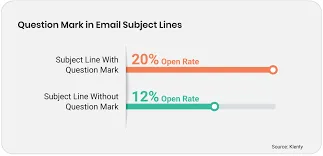
Open data also gives clues about reader response. Some brands use short sales lines. Others focus on tips, news, or guides. These style shifts affect email open rates over time. Studying rival patterns builds stronger subject line plans and improves competitor engagement across future campaigns.
Evaluating Content and Design Strategies
Strong email results depend on clear content and a clean design. Many brands follow a simple reading flow. The message opens with a short value point. Then it moves to key details and a clear action link. Teams that check competitors’ email marketing campaigns can review how rivals shape this email content strategy and guide reader focus.
Design choices also affect reader action and trust. Layout spacing, color use, and image size guide eye movement. Simple design often improves click flow and page focus. Design analysis helps teams review which visual styles drive response. Many brands also apply name-based offers through competitor personalization to build a stronger reader connection.
Understanding Call-to-Action Effectiveness
Calls-to-action (CTAs) are central to driving clicks and conversions. Placement, wording, and size affect whether readers follow the link. Teams that check competitors’ email marketing campaigns can observe how rivals position CTAs and what phrasing motivates action. This form of CTA analysis shows patterns that work across different audiences and industries.
Some brands use short, direct buttons while others place multiple links in the message. Testing these ideas against your results supports better conversion optimization. Observing color, shape, and text also informs email marketing CTAs. Applying proven CTA techniques allows teams to improve campaign performance without starting from scratch, saving time while increasing engagement and clicks.
Tracking Automation and Segmentation Practices
Many brands use automation to send emails at the right time. They also divide audiences into groups to reach the right people. Teams that check competitors’ email marketing campaigns can study how rivals set up these rules. This email automation analysis helps understand which triggers and schedules get the best response.
Segmentation shows how brands separate new, loyal, or inactive customers. Observing this improves competitor targeting. It helps plan when and what to send for higher engagement. Using these insights allows teams to match audience needs with relevant messages. Audience segmentation also makes emails feel more personal and increases the chance of action.
Benchmarking Engagement Metrics

Comparing campaign data helps teams measure real progress. Marketers check competitors’ email marketing campaigns to review response patterns and message strength. This review supports email performance benchmarking across click rate, open rate, and conversion signals. Clear benchmarks reveal how a campaign performs compared to others in the same market.
Careful analysis of engagement metrics highlights areas that need improvement. Lower response rates may signal weak offers or unclear messaging. Stronger results reveal tactics worth repeating. A detailed competitor comparison also exposes market gaps ai cost reduction. These insights guide better planning and help marketers direct effort toward strategies that increase campaign return and audience response.
Reverse Engineering Campaign Goals
Studying how brands email their audience reveals clear patterns. Message tone, offer style, and call to action often signal intent. This process supports campaign goal analysis and shows if a brand seeks to reach retention or repeat sales. Teams that check competitors’ email marketing campaigns can map these signals and understand the direction behind each promotion.
This review also supports reverse engineering of market activity. Marketers compare offers timing, and audience segments to decode competitor strategy. These insights expose gaps where new campaigns can stand out. When brands study competitor emails with discipline, they refine positioning, adjust offers, and build campaigns that compete with stronger clarity and purpose.
Leveraging Insights to Improve Your Campaigns
Real progress begins when research leads to action. Marketers who check competitors’ email marketing campaigns gain clear signals about what attracts attention. These findings support better subject lines, clearer offers, and improved layout. Applying these lessons strengthens email campaign optimization and improves message performance.
Competitor research also supports effective competitor insights application across timing, audience targeting, and content tone. Each adjustment sharpens campaign focus and increases engagement. Consistent review leads to steady marketing refinement. Brands that update their strategy using real insights maintain stronger relevance and keep their campaigns competitive in active markets.
Ethical Considerations in Competitor Analysis
Competitor research must respect clear ethical standards. Marketers often check competitors’ email marketing campaigns to understand messaging style and offers. This process should rely only on public material and approved tools. Following ethical competitor analysis protects brand reputation and ensures research remains fair and responsible.
Campaign research should also follow the rules of legal email marketing. Teams must avoid copying protected content or accessing private data. Responsible review focuses on trends, timing, and message structure. This approach supports responsible benchmarking while keeping research within legal limits. Ethical practices allow marketers to gain insight without risking trust or compliance.
Continuous Monitoring and Iteration
Markets change fast, and campaigns must keep pace. Teams that check competitors’ email marketing campaigns gain steady insight into new offers, timing, and message style. This process supports strong continuous monitoring of industry movement. Consistent tracking helps marketers detect shifts in tactics and respond before competitors gain an advantage.
Ongoing analysis also improves campaign iteration. Teams adjust subject lines, offers, and targeting based on observed patterns. These updates strengthen engagement and protect market position. Careful competitor tracking allows brands to refine campaigns with real signals from the market. This disciplined process supports long-term campaign performance and sustained competitive strength.
Integrating Competitor Analysis Into Strategy
Competitor research becomes valuable when it shapes real marketing plans. Teams that check competitors’ email marketing campaigns gain insight into message style, offer timing, and audience focus ai automation adoption. These insights support better strategy integration within marketing activities. Findings can guide content schedules, email automation, and promotion planning.
Strong integration also supports clear marketing alignment across teams and channels. Each campaign action connects with broader business goals. This process builds insights-driven campaigns that rely on real market signals rather than guesswork. When research informs planning, campaigns become more focused, targeted, and effective in reaching the right audience.
Scaling Insights for Larger Campaigns
Competitor research provides direction when campaigns expand. Teams that check competitors’ email marketing campaigns gather patterns about message style, timing, and offer structure. These findings help design scalable email campaigns that maintain clarity as audience size grows. Strong structure keeps messaging consistent across larger outreach efforts.
Growth requires careful planning and data-driven adjustments. Insights from competitor research guide segmentation, timing, and offer design across bigger campaigns. This process supports a stronger growth strategy and ensures stable performance. Using competitor-informed expansion helps marketers protect message quality while reaching wider audiences and maintaining strong engagement.
Maximizing ROI Through Smart Benchmarking
Effective benchmarking helps marketers direct resources where results are strongest. Teams that check competitors’ email marketing campaigns study message timing, offer design, and response patterns. This research supports better ROI optimization by identifying tactics that generate stronger engagement and conversions across similar audiences.
Clear benchmarking insights guide improvements in subject lines, content structure, and audience segmentation. Each adjustment improves response rates and reduces wasted effort. This process strengthens email marketing efficiency because campaigns rely on proven patterns rather than guesswork. Careful benchmarking ensures that every campaign action supports measurable performance and long-term marketing impact.
Long-Term Strategic Advantage
Businesses that check competitors’ email marketing campaigns gain clearer market awareness. Consistent review builds strong competitor intelligence that reveals patterns and trends. These insights support a stronger long-term email strategy that adapts faster than rivals Bpo Bridge.
Advantages
Strong strategic advantage through early insight into competitor messaging.
Clear view of offer timing and campaign trends.
Better planning for subject lines and email content.
Faster response to market shifts and audience behavior.
Improved targeting and campaign relevance.
Stronger long-term marketing decisions based on real data.
FAQs
The best method is to subscribe to competitor newsletters and track their email timing, offers, and design patterns. This review reveals messaging style frequency and campaign intent.
Competitor emails show what attracts attention and drives engagement. Studying these patterns helps refine subject lines, content timing, and audience targeting for stronger campaign results.
Many marketers use monitoring platforms and email tracking tools that collect competitor newsletters and campaign data. These tools help organize emails and analyze patterns efficiently.
Competitor email campaigns should be reviewed regularly. Weekly or monthly monitoring helps track campaign frequency, messaging changes, and promotional timing within the market.
Yes competitor analysis reveals shifts in messaging, offers, and timing. These patterns often signal emerging marketing trends and help businesses prepare campaigns ahead of market changes.