
Businesses today are under constant pressure to work faster, reduce costs, and stay competitive in a digital-first world. Manual processes often slow teams down and increase the chances of errors, making growth harder to sustain. This is where smart automation is changing how organizations operate, streamline tasks, and improve overall efficiency across departments.
One of the most noticeable shifts is seen through the benefits of AI automation systems, which help companies handle repetitive work with speed and accuracy. A small logistics company, for example, reduced order processing delays by automating tracking updates and customer notifications. Modern tools deliver strong AI automation benefits by improving decision-making and reducing manual workload. As a result, businesses experience better efficiency, improved accuracy, and smoother operations. The advantages of AI automation systems are now becoming essential for companies aiming to scale effectively and save both time and operational costs.
How Intelligent Automation Is Changing Work Systems
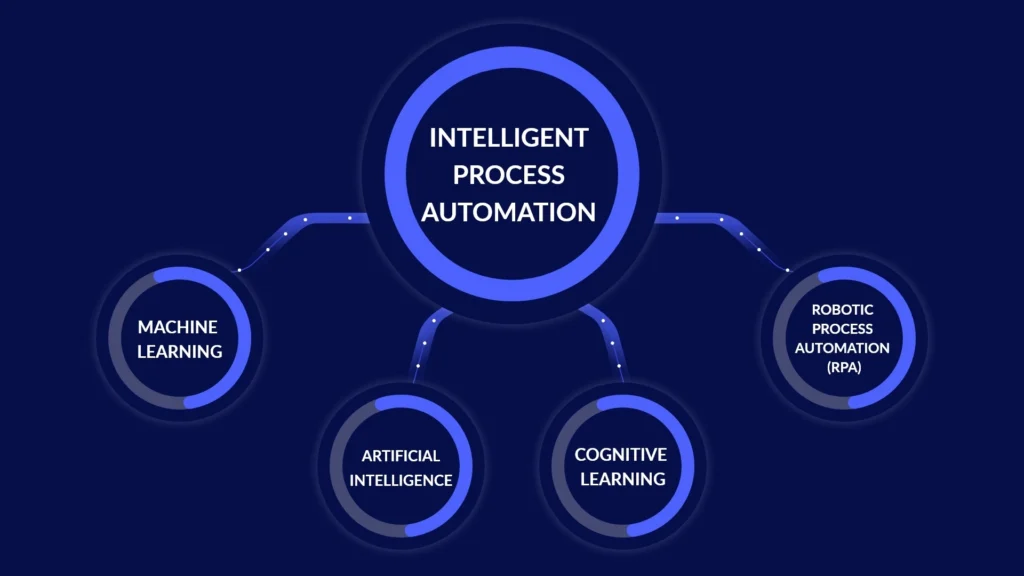
Workplaces are rapidly shifting from manual processes to intelligent automated systems that handle repetitive tasks with speed and consistency. This transformation helps teams focus more on decision-making, creativity, and customer service instead of spending time on routine operations that slow productivity and increase human error.
Modern businesses now see clear benefits of AI automation systems as they streamline workflows across departments like sales, support, and operations. A small retail company, for example, automated inventory updates and reduced stock errors significantly. AI automation benefits are becoming essential because they improve efficiency, reduce delays, and enhance accuracy. The advantages of AI automation systems are especially important today as companies aim to scale faster while managing growing workloads with fewer resources.
Productivity Acceleration Through Smart AI Systems
Modern workplaces are becoming faster and more efficient as intelligent systems take over repetitive and time-consuming tasks. Instead of relying on manual effort for every process, businesses now use automation to streamline operations, reduce delays, and improve overall productivity across teams while improving back office efficiency.
Manual Effort vs Automated Task Handling
Manual work requires time, attention, and repeated effort, while automated systems complete similar tasks instantly with higher accuracy. For example, sending customer emails manually takes hours, but AI systems can schedule and send personalized messages automatically. This clearly shows how AI-powered automation benefits reduce workload and improve output quality.
Time Efficiency Comparison Example
A small e-commerce business used to spend 5 hours daily updating order status manually. After automation, the same task was completed in minutes. This demonstrates strong business automation benefits with AI, especially in reducing repetitive workload and freeing time for strategic tasks.
Workplace Efficiency Improvement Question
Why are some companies able to scale faster with fewer employees, while others struggle with workload? The answer lies in automation efficiency and smart system adoption that removes operational bottlenecks.
Productivity Gains Through AI Systems
- Faster task completion with minimal manual input
- Reduced human errors in repetitive processes
- Improved employee focus on creative and strategic work
- Real-time data processing for quicker decisions
- Better resource utilization across departments
Reducing Operational Workload With Automation Tools
Businesses today face heavy workloads caused by repetitive and time-consuming tasks that slow down daily operations. Automation tools powered by AI help simplify these processes, allowing teams to focus on higher-value work while systems handle routine activities with speed and consistency.
Many organizations now experience clear advantages of AI automation systems as they reduce manual effort across departments like HR, finance, and customer support. For example, an office that previously spent hours sorting invoices and responding to basic queries now uses automation tools to complete these tasks instantly. This shift highlights strong AI automation benefits, improving workflow balance, reducing stress, and increasing overall productivity. The benefits of artificial intelligence automation are especially visible when businesses compare traditional processes with modern automated systems.
Manual Workflow vs Automated Workflow Comparison
Manual workflows require employees to complete each step individually, which increases delays and errors. In contrast, automated workflows handle repetitive actions instantly. For example, customer email replies that once took hours can now be managed through AI systems within seconds, improving response time and efficiency.
Common Tasks AI Systems Replace in Businesses
AI tools commonly replace repetitive tasks such as data entry, invoice processing, appointment scheduling, customer support responses, and report generation. These automations reduce workload pressure on employees and allow businesses to focus on decision-making, strategy development, and customer engagement instead of routine operations.
Financial Efficiency Gains From AI Integration
AI integration is helping businesses reduce operational costs while improving financial control. Instead of increasing staff or manual resources, companies now rely on smart systems that automate routine work, reduce errors, and improve efficiency. This shift directly supports long-term financial stability and better resource allocation.
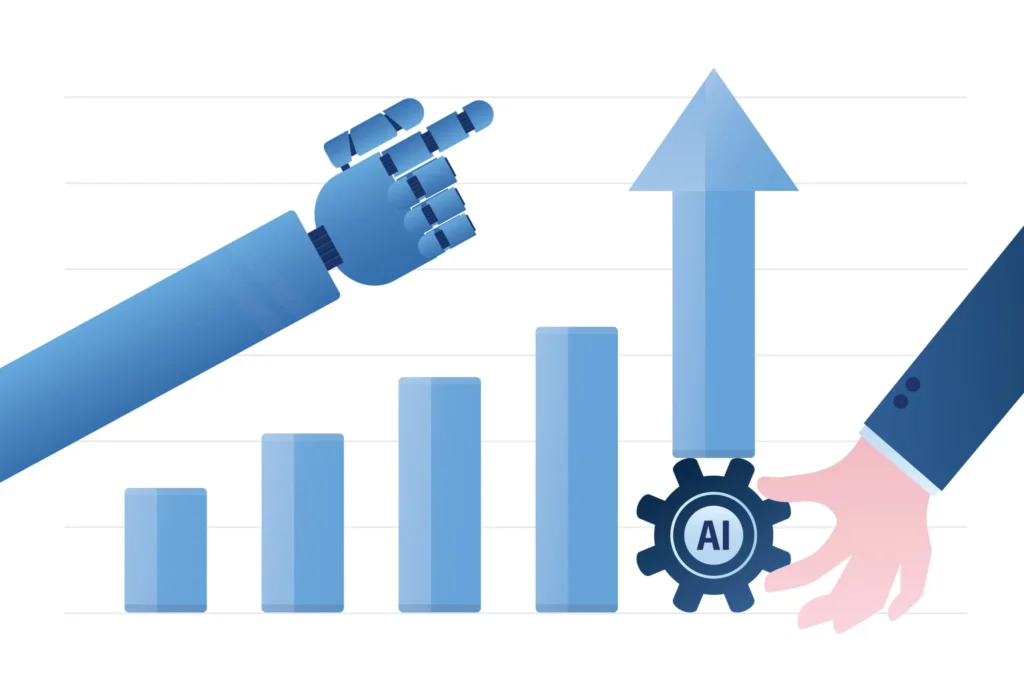
Many organizations see strong benefits of AI automation systems through reduced labor costs and improved ROI. For example, a small retail business automated inventory tracking and reduced over-ordering losses significantly. These AI-powered automation benefits allow better budget control and smarter financial planning. Over time, the business automation benefits with AI become even more visible as companies save on staffing, reduce operational waste, and improve overall profitability through consistent automation-driven efficiency.
Sample Cost Optimization Breakdown
| Area | Before AI | After AI | Impact |
| Data Entry | High labor cost | Automated system | Reduced expenses |
| Customer Support | Multiple staff | AI chatbot | Lower staffing cost |
| Inventory Control | Manual tracking | AI forecasting | Reduced wastage |
| Reporting | Time-heavy process | Automated reports | Faster decisions |
Smarter Decision Systems Driven by AI Insights
Modern businesses are increasingly relying on AI-driven analytics to make faster and more accurate decisions. Instead of depending only on experience or guesswork, companies now use data patterns, trends, and predictions to guide strategy and reduce uncertainty in daily operations.
The AI automation benefits are clearly visible in forecasting, where systems analyze past performance to predict future outcomes. A retail company, for example, used AI insights to anticipate seasonal demand and adjust inventory levels in advance, avoiding stock shortages. These advantages of AI automation systems help leaders make smarter decisions, while the benefits of artificial intelligence automation ensure more accurate planning, reduced risks, and improved long-term business performance through data-driven strategies.
Enhancing Customer Experience With Automation
Customer experience is improving rapidly as businesses adopt automation tools that provide faster responses and smoother interactions. Instead of waiting for human agents, customers now receive instant support, updates, and personalized communication through intelligent systems that operate continuously without delays.
Companies are seeing strong AI-powered automation benefits by offering 24/7 assistance through chatbots and automated service platforms. For example, an online store reduced response time from hours to seconds using automated customer replies, leading to higher satisfaction.
Role of AI Chatbots in Customer Support
AI chatbots handle common queries like order tracking, refund status, and product details without human involvement, which directly improves live chat conversions by giving instant responses to potential customers.
Personalized Customer Experience Through Automation
Automation systems analyze user behavior to deliver tailored recommendations and messages. For example, a streaming platform suggests content based on viewing history, making users feel understood and improving engagement through personalized experiences.
Scaling Business Operations Without Extra Staff
AI-driven systems allow businesses to grow smoothly without constantly increasing headcount. These systems also support a stronger lead generation strategy by handling higher customer volumes efficiently without losing response quality or speed.
Automating Core Business Functions for Growth
Modern companies use automation to handle essential operations like data entry, reporting, and customer communication. The benefits of AI automation systems for business growth become clear when startups manage higher workloads without hiring additional staff. For example, a small logistics startup automated order tracking and scaled operations across multiple cities without expanding its support team.
Expanding Capacity Without Hiring Pressure
Instead of adding more employees, businesses rely on intelligent systems to manage increasing demand. These advantages of AI automation systems help maintain performance during growth phases while supporting rising virtual assistant demand in customer support and operations.
Workflow Optimization Through AI Systems
AI automation benefits include faster task execution, better coordination, and reduced human error. Automated dashboards, alerts, and task routing ensure smooth communication between departments, allowing teams to focus on strategy instead of manual coordination.
Scalable Growth Mindset With Automation
Businesses adopting AI think in terms of systems rather than manpower. This shift enables long-term scalability, where growth is driven by technology efficiency rather than workforce expansion, ensuring sustainable and manageable business development.
Error Reduction and Workflow Accuracy Improvements
AI-powered systems significantly reduce human errors by replacing manual decision-making with structured, rule-based automation. This improves workflow accuracy, ensures consistency across operations, and helps businesses avoid costly mistakes that often occur in repetitive data handling and processing tasks.
Human Error vs AI Precision
Human work is often affected by fatigue, distraction, and manual oversight, while AI systems maintain consistent accuracy. For example, a finance team manually entering invoice data may miss entries, but automated systems process records with higher precision. These AI automation benefits improve reliability and reduce operational mistakes.
Accuracy Improvement in Real Business Scenarios
Industries like healthcare and banking benefit greatly from automation. In healthcare, automated patient record systems reduce documentation errors, while banks use AI for fraud detection. These advantages of AI automation systems help maintain high accuracy standards and improve service trustworthiness.
Risk Reduction Through Automation Systems
Automation minimizes risks such as data loss, misreporting, and compliance errors. The benefits of artificial intelligence automation include real-time validation and error detection, ensuring safer and more controlled business operations.
Workflow Accuracy Improvement Checklist
- Automated data entry instead of manual input
- Real-time error detection and correction
- Standardized reporting formats across departments
- AI-based validation for financial and operational data
- Continuous monitoring of workflow performance
- Reduced dependency on manual approval chains
These improvements create smoother, more reliable workflows that support scalable and error-free business operations.
Step-by-Step AI Automation Implementation Flow
Step 1: Submission of Request
Businesses begin by identifying operational needs and submitting automation requests, such as reducing manual data entry. For example, a retail company requests automation for order processing to improve speed and reduce human workload errors.
Step 2: Insurance Verification
At this stage, systems verify data accuracy, resources, and compliance requirements before deployment. A healthcare provider checks patient data security rules before automating appointment scheduling, ensuring safe and compliant system integration.
Step 3: Clinical Review
Experts review workflows to confirm automation suitability and accuracy. For instance, a finance team evaluates invoice processing rules before enabling AI automation, ensuring calculations and validation steps align with business standards and regulations.
Step 4: Approval/Denial Decision
Management approves or rejects the automation plan based on feasibility and ROI. A logistics company approves automated tracking after confirming it reduces delays and improves operational efficiency without increasing costs significantly.
Step 5: Final Notification
Once approved, teams are informed, and automation is deployed with tracking systems enabled. A startup receives confirmation and immediately activates AI tools for customer support, improving response time and service quality instantly.
Risks and Misconceptions About AI Automation
Many businesses hesitate to adopt automation due to misunderstandings about its capabilities and impact. While AI systems offer strong efficiency gains, it is important to separate myths from facts to understand how they truly support, rather than replace, human work.
- Myth: AI replaces all human jobs completely
AI supports employees by handling repetitive tasks. For example, customer service teams still manage complex issues while automation handles basic queries, improving overall efficiency. - Myth: AI systems work perfectly without errors
Even advanced systems require monitoring and updates. The benefits of artificial intelligence automation depend on proper setup and continuous optimization to maintain accuracy. - Myth: Only large companies can use AI tools
Small businesses also gain value. A local online store used AI for order tracking, showing practical AI automation benefits even with limited budgets. - Risk: Over-reliance on automation systems
Too much dependency without human oversight can lead to missed errors or poor decisions in edge cases. - Risk: Poor data quality affecting results
If input data is incorrect, outputs will also be unreliable, limiting AI-powered automation benefits. - Risk: Implementation complexity without planning
Without a proper strategy, businesses may struggle to integrate systems effectively, reducing overall performance improvements.
A balanced approach ensures automation enhances human capability instead of replacing it, creating smarter and more reliable workflows.
Final Perspective on AI-Driven Business Growth
AI is reshaping how modern businesses operate by transforming manual systems into intelligent, efficient, and scalable workflows. Companies now achieve faster decision-making, improved accuracy, and stronger performance by integrating smart automation into everyday processes. The benefits of AI automation systems are becoming a key driver of competitive advantage in every industry.
The business automation benefits with AI include reduced operational costs, higher productivity, and smoother customer experiences. These advantages of AI automation systems create a foundation for long-term digital growth and innovation. Businesses that embrace this shift today will not only improve efficiency but also build future-ready systems that support continuous expansion and sustainable success in an increasingly automated world. In this context, resources like BPO Brigade can help organizations explore practical ways to implement automation-driven strategies more effectively.
Common Questions About AI Automation Systems
AI automation benefits include faster workflows, reduced manual effort, improved accuracy, and better decision-making by using intelligent systems to handle repetitive business tasks efficiently.
They streamline daily operations by automating routine work like reporting and data entry, allowing employees to focus on strategic and creative tasks instead of repetitive manual processes.
They reduce human error, improve consistency, and speed up task completion across departments such as finance, customer support, and inventory management.
Yes, small businesses can automate customer support, billing, and marketing tasks, helping them save time and operate efficiently without hiring extra staff.
No, it supports employees by handling repetitive work, allowing teams to focus on higher-value activities like planning, strategy, and customer engagement.