
A great campaign does not succeed by chance. Careful planning and steady action help every marketing effort deliver better results. Marketing campaign management gives businesses a clear way to organize tasks, measure progress, and avoid costly mistakes. A simple process keeps every campaign moving in the right direction while helping teams stay focused on shared goals and customer needs.
Many campaigns fail because important steps are missed before launch. Poor planning, weak communication, and limited tracking often reduce results. A clear system helps teams manage time, budget, and daily work with greater confidence. Regular reviews also help find problems before they grow. Small improvements made during each campaign often lead to stronger customer response, better teamwork, and steady business growth over the long term.
Better Campaign Results Begin With Smart Planning
Many campaigns fail because teams rush into promotion without a clear plan. Missed deadlines, unclear goals, and poor teamwork often reduce results. Marketing Campaign Management helps businesses stay organized from the first idea to the final review. Good planning saves time and supports stronger long-term success.

Set One Clear Goal
Start with one main objective before creating any campaign. Focus on more leads, more sales, or better brand awareness. A clear goal helps every team member work in the same direction.
Understand Your Audience
Learn what your customers want before creating content. Study their interests, questions, and buying habits. A local fitness center found that short workout tips attracted more attention than discount offers.
Build A Simple Action Plan
Write each task in the order it should be completed. Assign work to the right team members and set realistic deadlines. Strong marketing campaign planning keeps projects moving without confusion.
Prepare Your Budget
Decide how much money you can spend before launching the campaign. Plan for advertising content and design costs. A clear budget helps avoid unexpected expenses later.
Choose The Right Marketing Channels
Use the platforms where your audience is most active. Some businesses perform better through email, while others receive stronger results from search or social media. A clear lead generation strategy helps businesses choose the channels that produce the best results.
Review Progress Often
Check campaign results while the campaign is running. Small changes during the campaign often improve the final outcome. Good marketing strategy management helps businesses solve problems early and achieve better results.
Coordinating Every Campaign With Clear Direction
A successful campaign depends on good teamwork and clear planning. Everyone should understand their role before work begins. Strong marketing project management keeps tasks organized and helps each team member complete work on time. Good marketing campaign planning also reduces confusion and keeps every campaign moving toward the same goal.
A business launching a new product assigned content design and advertising to different team members with clear deadlines. Everyone knew what to do and when to do it. The campaign launched on time and reached more customers without delays. Good digital campaign management helped the team stay connected and deliver consistent results.
Campaign Planning That Prevents Costly Mistakes
Good planning reduces mistakes before they affect campaign results. A clear process helps every team member stay focused. Small steps taken early often prevent bigger problems later.
Define Objectives Before Any Campaign Launch
Every campaign needs one clear purpose before any work begins. Decide if the goal is more sales, more leads, or better brand awareness. A local furniture store wanted more showroom visits instead of online sales. That clear goal shaped every marketing decision. A strong marketing campaign planning process keeps the campaign focused from the beginning.
Match Resources With Campaign Priorities
Use your time budget and staff where they create the most value. Do not spread resources across too many tasks at once. A small business focused on email and social media instead of every platform. This practical marketing campaign management guide improved results through better marketing campaign planning and smarter use of available resources.
Managing Budgets Without Sacrificing Performance
A good budget keeps campaigns under control while supporting better results. Spending more does not always increase success. Strong campaign budget management helps businesses focus money on the activities that bring the greatest value. Careful marketing strategy management also reduces waste and improves long-term campaign performance.
A small business planned a limited budget for a seasonal promotion. Instead of spending on every channel, the owner focused on email and social media, where customers were most active. Sales increased without extra costs because the budget matched customer behavior. Smart Marketing Campaign Budget Planning helped the business achieve better results with the same spending.
Tracking Progress Through Meaningful Campaign Data
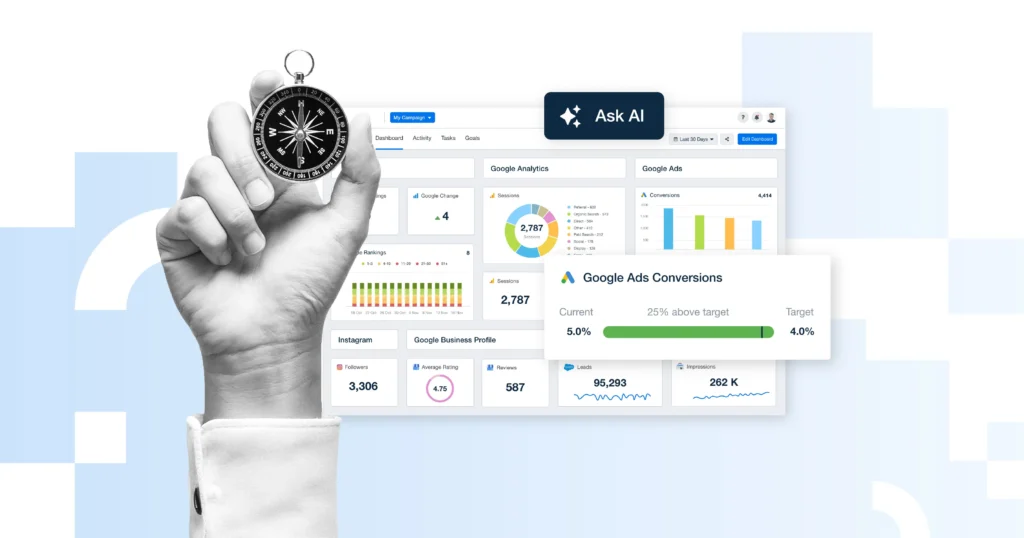
Data helps businesses understand what is working and what needs to change. Without tracking results, teams often make decisions based on guesses. Campaign performance tracking shows how customers respond and where improvements are needed. Reviewing Campaign Success Metrics helps businesses make smarter choices during every stage of a campaign.
Monitor Customer Engagement
Track how people interact with your content and offers. Look at views, clicks, responses, and sign-ups. These details show which messages connect with your audience and which ones need improvement.
Review Conversion Results
A campaign is not only about attention. It should also create actions such as purchase calls or registrations. A clothing brand noticed many visitors but few sales. After checking the results, the team improved product pages and increased orders.
Measure Customer Response
Customer feedback and repeat actions reveal campaign quality. Positive comments and returning buyers show that the message created value. This helps businesses build stronger future campaigns.
Analyze Campaign Costs
Compare spending with the results gained from the campaign. Check which channels bring better returns. Marketing campaign performance analysis helps teams remove weak areas and use resources in better ways.
Improving Results With Smarter Optimization Steps
Campaign improvement does not stop after launch. Regular checks help teams find weak areas and make better choices. Small changes can create stronger results over time.
Analyze Performance Before Making Changes
Review campaign data before changing any part of your plan. Look at customer actions, sales results, and engagement levels. A travel company noticed many clicks but few bookings. The team changed the offer details after reviewing data. These campaign optimization techniques helped improve results without increasing spending.
Test new approaches for better outcomes.
Try new ideas in small steps before making major changes. Test different messages, images, or audience groups to find what works best. A clothing store tested two email designs and used the better version for future sends. This Marketing Campaign Optimization Guide supports steady growth and helps improve marketing campaign performance through smart decisions.
Benefits Of Strong Campaign Management Practices
Good management helps teams work with better focus. Clear systems reduce confusion and improve daily campaign tasks. Strong practices support better results and smoother execution.
Better Collaboration Across Marketing Teams
When teams share clear plans, everyone understands their role. Content designers and sales staff can work together without delays. A company launching a new service used shared updates to keep all teams informed. This improved teamwork and reduced mistakes. Effective campaign management strategies help create better coordination through organized marketing project management.
Faster Decisions Through Reliable Reporting
Accurate reports help teams understand what works and what needs to change. Quick access to data allows faster decisions during active campaigns. A small brand noticed that one ad received low responses and changed the message quickly. These successful campaign management techniques helped improve results by using clear information instead of guesses.
Automation Making Campaign Execution More Efficient

Marketing tasks can become hard to manage as campaigns grow. Automation helps teams save time by handling repeat work and keeping tasks organized. Marketing automation software can support an aI automation business approach by managing emails, reminders, and reports while teams focus on planning and creative work. Good systems support better results without removing human decisions.
A small online store used automatic emails to welcome new buyers and share order updates. The team spent less time on manual messages and more time improving customer offers. Smart tools also support digital campaign management by keeping workflows clear. Using the right campaign optimization techniques helps businesses improve results while keeping their strategy in control.
Avoiding Common Problems During Campaign Delivery
Campaign delivery can face many issues without proper planning. Small mistakes can affect results and waste valuable time. Knowing common problems helps teams prepare better and improve their overall process.
Poor Goal Setting
A campaign without clear goals often loses direction. Teams may create content without knowing the expected result. Setting simple goals helps measure progress and keeps every task connected to the main purpose.
Weak Team Communication
Poor communication can create delays and missed tasks. When team members do not share updates, campaigns may lose consistency. A clear update system helps everyone stay informed and complete work on time.
Ignoring Performance Data
Some businesses wait until the end to review results. This can make problems harder to fix. Regular campaign performance tracking helps teams find weak areas and make quick improvements.
Poor Budget Control
Spending without a clear plan can reduce campaign value. Teams should review costs and focus on activities that bring better results. Good marketing strategy management helps control spending while supporting campaign goals.
Not Reviewing Customer Response
Customer feedback shows what works and what needs to change. Ignoring comments or reactions can limit future success. Following marketing campaign management best practices helps businesses improve campaigns through real customer insights.
Modern Trends Reshaping Campaign Management Today
Campaign management is changing as businesses use new tools to improve daily work. Data tracking and automation help teams understand customer actions and make better choices. These updates reduce guesswork and support faster improvements during active campaigns. Modern tools also help marketers save time while keeping their main goals clear. instant live support also helps businesses respond quickly during active campaigns.
A clothing brand used customer data to share product suggestions based on buying habits. More people responded because the offers matched their interests. Smart systems can support planning, but human ideas remain important. Businesses that follow current changes can improve campaign results and stay ready for new customer needs. Using campaign analytics tools helps teams review progress and make stronger decisions for future campaigns.
AI Supporting Smarter Marketing Decisions
AI helps businesses study customer habits and find useful patterns. A clothing store used AI data to suggest products based on past purchases. Customers received more relevant offers and showed greater interest. Marketing automation software supports faster tasks while allowing teams to keep human ideas and decisions at the center. This is becoming increasingly valuable as virtual assistant demand continues to grow.
Real-Time Reporting Driving Faster Improvements
Quick reports help teams see campaign results during active promotions. A travel company noticed one holiday package received more views than others through campaign data. The team adjusted its ads and improved responses. These digital campaign management tips help marketers make faster changes and improve future campaign results.
Turning Campaign Insights Into Better Decisions
Campaign data helps businesses understand what works and what needs to change. Reviewing results after each campaign supports smarter planning and better actions. Campaign Analytics Tools show customer behavior and help teams improve future efforts. Tracking Campaign Success Metrics also gives a clear view of progress and supports analytics tools. These insights are also valuable when developing healthcare marketing strategies that rely on data-driven decision-making.
A local restaurant reviewed its campaign results and found that lunch offers received more responses than evening deals. The team adjusted future promotions based on customer interest. Regular marketing campaign performance analysis helped the business spend wisely and create better offers. Small improvements based on data can lead to stronger campaign results over time.
Building Long-Term Success Through Better Management
Strong campaigns need more than good ideas. They need clear planning, tracking, and regular improvement. At BPO Brigade, Marketing Campaign Management helps businesses organize tasks, control budgets, and measure results. A structured approach allows teams to avoid common mistakes and create campaigns that support long-term goals. Using effective campaign management strategies also helps improve teamwork and daily execution.
Success comes from small steps taken at the right time. Review your current process and find areas that need improvement. Follow marketing campaign management best practices to create better plans and stronger results. Start applying these methods today to improve your campaigns and build better connections with your customers. A well-managed campaign can support steady growth and lasting business success.
Helpful Answers Before Managing Your Campaigns
Many businesses have questions before starting campaign management. Clear answers help teams avoid common planning mistakes. These questions cover important areas of planning, tracking, and improvement. They also help marketers create stronger campaigns with better results.
A campaign should be reviewed regularly during and after launch. Frequent checks help teams find problems early, improve results, and adjust plans based on customer response.
Tools for planning, reporting, automation, and tracking make daily tasks easier. They help teams organize work, monitor results, and manage campaigns with better control and accuracy.
Clear communication, shared goals, and organized tasks improve teamwork. Regular updates help team members understand responsibilities and complete campaign activities without delays or confusion.
Marketers should track conversions, engagement costs, and customer actions. These Campaign Performance Tracking measures show whether a campaign is creating value and reaching business goals.
A clear budget helps businesses spend money on useful activities. Poor planning can waste funds while smart allocation supports better results and stronger campaign growth.