
Great marketing rarely wins through ideas alone. Success grows from careful study and steady change. Brands that review results often gain stronger reach. Teams must watch user response and adjust plans. This habit shows improve marketing campaign results through clear steps. It also supports smart marketing campaign optimization that guides better action.
Strong campaigns grow through testing and learning each week. Teams review data and refine messages often. Clear insight guides better timing, channel choice, and audience focus. Over time, this steady process builds stronger reach and trust. Brands that refine strategy again and again gain lasting visibility and stronger market growth.
Strategic Foundations of High Impact Marketing Campaigns

Strong campaigns begin with a clear purpose. A team must know the result it wants. Clear goals guide every action in the campaign plan. This focus helps teams learn how to improve marketing campaign results with steady direction. When the purpose stays clear, the message becomes simple and easy for people to understand.
A strong foundation also connects goals with real user needs. Teams study audience behavior and market signals before action. This careful review leads to steady marketing performance improvement over time. Each step then supports the next step in the campaign path. When strategy stays aligned, campaigns gain stronger reach and lasting results.
Campaign Goal Structuring and Performance Benchmarks
Clear goals guide every strong marketing campaign. Teams must define what success looks like before launch. Some goals focus on leads. Others focus on sales or brand reach. This clarity helps teams learn how to optimize a marketing campaign with focused actions and better planning.
Benchmarks help teams measure progress during the campaign. Marketers track clicks, views, leads, and sales results. These numbers show where change is needed. Regular review supports steady marketing performance improvement and helps teams refine strategy with real data and clear campaign insight.
Message Architecture and Value Communication
Strong campaigns use clear and simple messages. People respond when value feels easy to see. Brands should explain what they offer and why it matters. This clarity supports how to improve marketing campaign results because users understand the message fast. Clear value builds trust and keeps people interested.
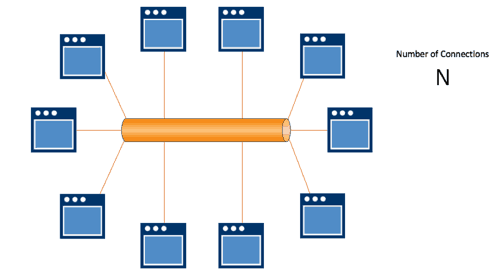
Message structure should stay steady across every channel. The same idea must appear in ad posts and emails. This steady tone supports strong marketing campaign optimization strategies that guide campaign growth. When messages stay clear and focused, people remember the brand and respond more often.
Channel Selection and Distribution Efficiency
Choosing the right channel shapes campaign success. Brands must know where their audience spends time. Some users respond better to search or social media. Others prefer email or video platforms. This insight supports how to optimize a marketing campaign by placing the message where people already pay attention.
Channel choice also affects cost and reach quality. Teams should review results from each platform often. Strong channels gain more focus while weak ones receive less budget. This steady review supports marketing campaign optimization and helps campaigns deliver stronger reach with better use of resources.
Creative Testing and Iterative Refinement
Creative testing helps teams learn what message attracts users. Brands can try two ad styles or two headlines. Each version shows a small change. The team then compares user responses. This simple method reveals the steps to improve marketing campaign performance market supremacy strategy with real feedback from the audience.
Testing should continue during the full campaign cycle. Teams review clicks, views, and message responses often. They keep the strong ideas and remove the weak ones. This steady learning drives clear marketing performance improvement and helps campaigns grow stronger with each new test.
Data Analysis and Performance Diagnostics

Data review shows how a campaign truly performs. Teams should track clicks, visits, leads, and user actions. These signals reveal strong areas and weak spots. Careful review helps teams learn how to improve marketing campaign results with clear insight and steady planning.
Teams must also study trends over time. Patterns show which messages and channels bring results. This knowledge guides smart changes during the campaign. Regular review supports steady marketing campaign optimization and helps brands build stronger campaigns with better reach and response.
Budget Allocation and Resource Efficiency
Smart budget use keeps campaigns strong without extra spending. Teams must review where funds bring results. Some channels drive strong leads. Others show weak user action. Careful study supports marketing performance improvement because money moves toward the channels that bring real value.
Teams should test small budget changes during the campaign. They watch which ads gain clicks or leads. These signals guide the steps to improve marketing campaign performance with better spending choices. Over time, the campaign grows stronger while costs remain steady.
Automation and Workflow Optimization
Automation helps teams manage campaigns with less manual effort. Simple tools send emails, post updates, and track results. This saves time and keeps campaigns running each day. Smart systems support how to improve marketing campaign results by keeping actions steady and organized.
Clear workflows also reduce delays and missed tasks. Teams plan steps and set tools to handle routine work. This process supports steady marketing campaign optimization because campaigns stay active and data stays updated. Over time, automation helps teams scale campaigns while keeping quality and control strong.
Cross Channel Consistency and Brand Integrity
Strong campaigns keep the same message across every channel. People should see the same tone and value each time. Ad posts, emails, and pages must match. This clear unity helps users trust the brand. It also supports strong marketing campaign optimization strategies that guide stable campaign growth.
Consistent branding also improves user recall and response. When people see the same message often, they remember it better. Teams should review content across all platforms. This habit supports steady marketing performance improvement and keeps campaigns clear, focused, and easy for people to follow.
Performance Review Cycles and Continuous Improvement
Strong campaigns grow through regular review and learning. Teams must study results often during the campaign cycle. Data shows what works and what fails. This review helps teams learn how to improve marketing campaign results through aI automation shift clear insight and steady planning.
Teams should set weekly or monthly review sessions. They study clicks, leads, and user actions. Each review reveals the steps to improve marketing campaign performance through small changes and better timing. Over time, this steady cycle builds stronger campaigns and more reliable results.
Conclusion
Strong campaigns grow through steady learning and careful review. Brands must track results and adjust plans often. This habit helps teams improve marketing campaign outcomes with clear direction. Regular testing and insight also support steady marketing campaign optimization that keeps campaigns relevant as markets and user habits change.
Data review and audience insight guide long-term growth. Teams that study user behavior make smarter choices. These actions drive real marketing performance BpoBrigade improvement over time. When brands apply clear tests and refined messages, they build strong marketing campaign optimization strategies that sustain reach, engagement, and reliable campaign success.
FAQs
Many campaigns plateau when teams stop testing new ideas. Markets change, and user habits shift. Without fresh testing and review, brands cannot improve marketing campaign results over time.
Campaigns should be reviewed weekly or monthly, depending on scale. Frequent analysis supports steady marketing campaign optimization and helps teams adjust content timing and channel focus.
Customer feedback reveals how people react to content offers and messages. These insights guide changes that support real marketing performance improvement and stronger audience connection.
Teams should track clicks, visits, leads, and user action across each channel. Early data signals weak platforms and guides better marketing campaign optimization strategies.
Low engagement, poor conversions, and falling reach signal deeper issues. When repeated testing fails, teams may need new goals, messaging, and strategy to improve marketing campaign impact.